
Sports
Minneapolis' immigrant communities head to voting centers amid ICE surge's "ripple effects"
By Katherine Langford
Advertisement · Why this ad?
Katherine oversees editorial operations across all six brands. Before joining The Meridan Group, she spent 14 years at the Minneapolis Star Tribune, where she led the metro desk through its digital transformation. She holds a Master's in Journalism from Northwestern's Medill School.
More from Katherine →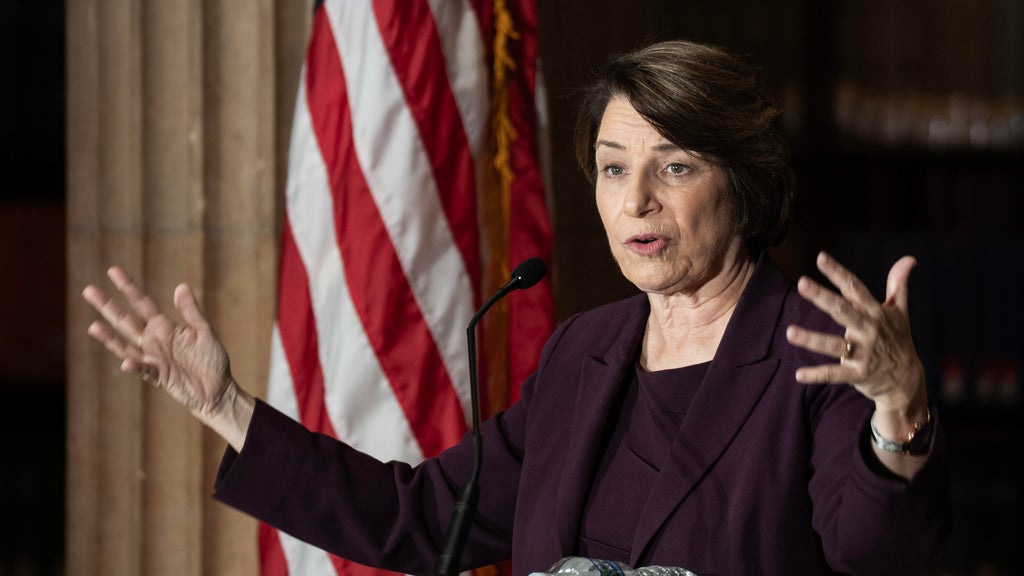
In a historic moment for Minnesota politics, Senator Amy Klobuchar is poised to become the state's first female governor, marking a significant milestone in the state's political history. The announcement came as a surprise to many residents, who have long admired her steady leadership and commitment to public service. As she transitions from her Senate role to the governorship, Minnesotans are watching closely, knowing that her decision will shape the state's political landscape for years to come.
On Tuesday evening, projections confirmed that Klobuchar would be the next governor of Minnesota, a victory that underscores her enduring popularity and the trust she has cultivated among voters. Her win comes in the middle of her current Senate term, which complicates the process of filling her vacant seat. According to Minnesota law, the governor holds the authority to appoint an interim senator until a special election is held in November 2027.
“She can't be both senator and governor at the same time,” explained Dr. David Schults, a political science professor at the University of Minnesota. “At some point, she's going to have to step down as U.S. senator.” This transition raises questions about who will fill the seat in the meantime and how the process will unfold.
State law grants the governor the power to appoint a temporary replacement, a decision that will likely fall to Klobuchar herself once she officially resigns. The process is similar to what occurred in 2018 when former Gov. Mark Dayton appointed Tina Smith to fill an empty Senate seat. Smith subsequently won a special election, securing her position for a full term.
“The person appointed will serve until the next election, which is scheduled for November 2027,” Schults noted. “Then, the winner of that election will serve out the remainder of Klobuchar's term.” The appointment will be a key decision, one that will influence Minnesota’s political direction in the coming years.
The community response has been largely positive, with many residents expressing pride in Klobuchar’s historic achievement. Local leaders and civic groups have praised her dedication to issues such as healthcare, infrastructure, and family stability—values that resonate deeply with Minnesotans committed to building strong, lasting communities.
Klobuchar’s decision to serve as governor is seen by many as a natural extension of her public service ethos. Her supporters believe her leadership will continue to prioritize the needs of families and uphold the values of faith and community that define Minnesota’s identity.
For families across the state, Klobuchar’s move signifies a commitment to policies that support strong marriages and community stability. Her tenure as senator has been marked by efforts to improve healthcare access and education—cornerstones of a thriving society. As governor, she is expected to continue advocating for initiatives that uphold the American dream of a secure, prosperous future for all Minnesotans.
Looking ahead, Klobuchar’s transition will involve careful planning and collaboration. She has already outlined her priorities and assembled a transition team, signaling her readiness to lead Minnesota into a new chapter. Meanwhile, her Senate colleagues are preparing for the upcoming workload, which includes critical budget negotiations and legislative priorities delayed by the election cycle.
“The Senate is going to be busy,” Schults remarked. “They have a lot of unfinished business, including budget issues and other legislative matters that will need attention once the new session begins.” The coming months will test Minnesota’s political resilience, as the state navigates this historic shift in leadership.
This transition is not just about individual careers; it reflects broader shifts within Minnesota’s political landscape. Klobuchar’s move to the governor’s mansion signifies a potential realignment of political priorities, especially as she has been known for her pragmatic approach and focus on bipartisan solutions. Her leadership style has often been characterized by a willingness to work across party lines to achieve tangible results, a trait that many Minnesotans value deeply.
Furthermore, her appointment as governor could influence future political strategies, including how the Democratic-Farmer-Labor (DFL) party positions itself in upcoming elections. With the state’s political climate increasingly competitive, her leadership could serve as a stabilizing force or a catalyst for new initiatives aimed at addressing pressing issues such as climate change, healthcare reform, and economic development.
Many local organizations and community leaders have expressed optimism about Klobuchar’s governorship. The Minnesota Families Organization, for example, has highlighted her long-standing commitment to policies that support family stability and community well-being. Executive director Laura Jensen remarked, “Klobuchar’s leadership has always been rooted in understanding the needs of everyday Minnesotans. Her move to the governor’s office promises to continue that focus.”
In the Twin Cities and beyond, residents are eager to see how her policies will translate into tangible improvements, especially in underserved neighborhoods and rural areas that often face distinct challenges. Local advocacy groups are preparing to work closely with her administration to ensure that the voices of marginalized communities are heard and addressed.
As Klobuchar prepares to resign, speculation is already swirling about who might succeed her in the Senate. While she has not publicly floated any names, political insiders suggest that the appointment could go to a prominent local figure or someone with a proven track record in public service. The choice will be critical, as the appointee will have a significant role in shaping legislation and representing Minnesota’s interests on the national stage.
Historically, appointments like these have served as stepping stones for future political careers. The selected individual could leverage the position to build a broader base of support ahead of future elections, potentially setting the stage for a competitive race in 2028.
Klobuchar’s rise to the governorship is more than a political milestone; it’s a reflection of Minnesota’s evolving identity. Known for its diverse communities, strong sense of civic pride, and progressive values, Minnesota has long been a state that celebrates trailblazers and advocates for equality. Her historic achievement as the first woman to hold the governor’s office adds to this legacy, inspiring young women and marginalized groups across the state.
Local schools, universities, and civic organizations are planning events to honor her legacy and encourage civic engagement among youth. Her story exemplifies the power of perseverance, dedication, and community service—values that resonate deeply in Minnesota’s cultural fabric.
The next chapter for Minnesota will be shaped by Klobuchar’s leadership and the community’s engagement. As she steps into her new role, her administration will face pressing issues such as affordable housing, climate resilience, and economic recovery post-pandemic. The state’s diverse population demands policies that are inclusive and forward-thinking.
Meanwhile, the political landscape will continue to evolve, with local elections, policy debates, and community initiatives playing vital roles. The coming months will be crucial for setting the tone and priorities of Minnesota’s future leadership. For many residents, this transition symbolizes hope—hope for a more equitable, sustainable, and vibrant Minnesota.
As Klobuchar prepares to take her oath in January, the community looks forward to witnessing her impact firsthand. Her journey from a dedicated senator to a historic governor underscores the importance of public service rooted in integrity and community values. The state’s residents are eager to see how her leadership will continue to shape Minnesota’s story for generations to come.
By Katherine Langford

By Marcus Chen

By Marcus Chen

By Katherine Langford