
Sports
Wisconsin election results and live counts for 2026 midterm election
By Marcus Chen
Advertisement · Why this ad?
Katherine oversees editorial operations across all six brands. Before joining The Meridan Group, she spent 14 years at the Minneapolis Star Tribune, where she led the metro desk through its digital transformation. She holds a Master's in Journalism from Northwestern's Medill School.
More from Katherine →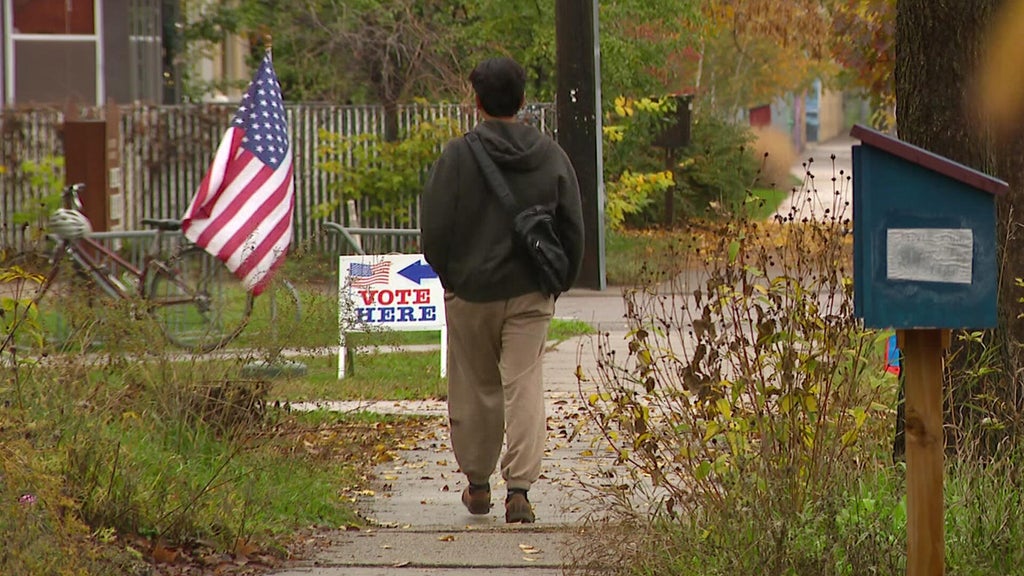
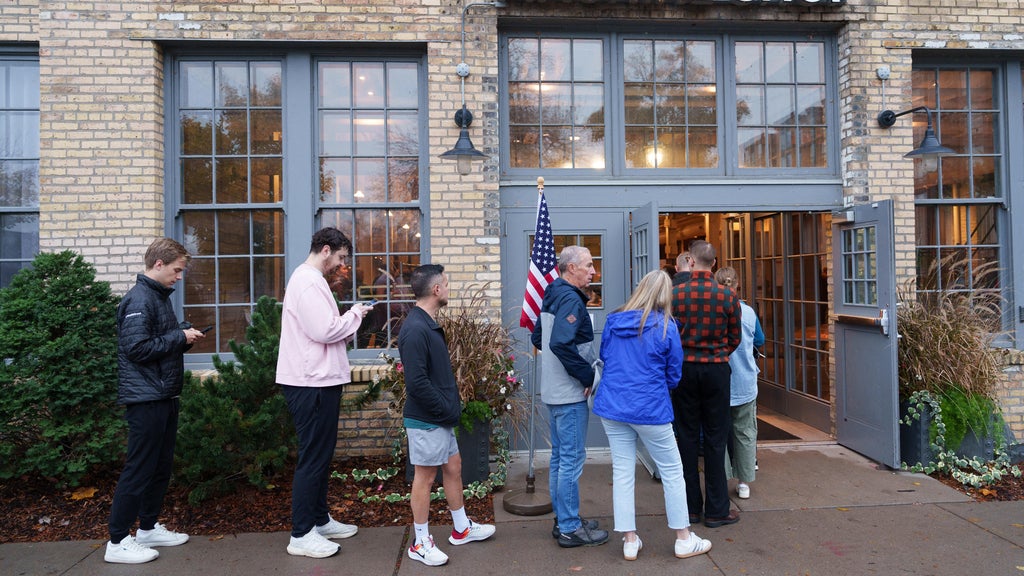
As the sun dipped below the horizon on a crisp autumn evening, a steady stream of voters made their way to the polling station in Minneapolis' Cedar-Riverside neighborhood. Among them was Amino Abdi, a Somali Minnesotan who articulated a sentiment shared by many in his community: voting is not merely a right; it is an imperative. With the recent surge in immigration law enforcement, particularly the ICE operations, the stakes of civic engagement have never felt higher.
On Election Day, the Cedar-Riverside polling station witnessed a remarkable turnout, particularly from the immigrant communities that populate the area. This neighborhood, known for its vibrant Somali heritage, is home to thousands who understand the weight of their vote. In a state where one in eleven residents were born outside the United States, the participation of these communities is crucial.
Earlier this year, the enforcement actions under Operation Metro Surge cast a shadow over the lives of many immigrants, creating an atmosphere of fear and uncertainty. As a result, the importance of voting took on a new urgency. Voter turnout in these communities reflects not only a desire to participate in democracy but also a response to the challenges they face.
The effects of the recent ICE operations are palpable in Minneapolis. As residents navigate the complexities of immigration law and enforcement, their engagement in the electoral process becomes a vital means of asserting their rights and advocating for their families. Manny Vazquez, a 20-year-old from the Phillips community, expressed his commitment to voting, stating, "Voting in general should be of really big importance to the common person." His words resonate deeply in neighborhoods where the implications of policy decisions are felt daily.
Vazquez's family background—spanning from Guadalajara to the Turtle Mountain Reservation—reflects the rich tapestry of cultures that contribute to Minneapolis' identity. This diversity is a strength, but it also presents challenges. The fear stemming from immigration enforcement can lead to disengagement, yet the response from the community has been one of resilience.
Mustafa Diriye, another voter at the Cedar-Riverside polling station, highlighted the significance of voting in his community. "We come from places you don't have a voice, so we don't take for granted," he remarked. His perspective underscores a fundamental truth: for many immigrants, the act of voting is a powerful assertion of agency in a landscape where their voices have historically been marginalized.
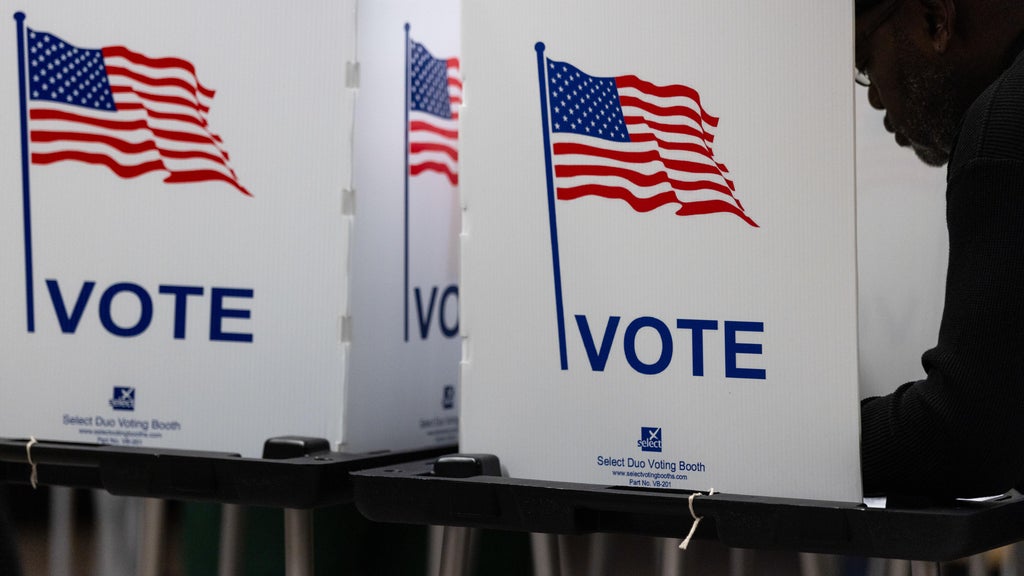
These sentiments are echoed across the polling station, where poll managers noted an enthusiastic turnout. The desire to engage in the democratic process is palpable, as community members recognize that their votes can influence policies that directly affect their lives. This collective understanding fosters a sense of responsibility, not just for themselves, but for future generations.
The ripple effects of immigration enforcement extend beyond individual families; they impact the fabric of the community. As voters like Amino Abdi articulated, participating in elections is essential for progress. "You're supposed to vote if you stay in the country because for your life, for progressing in the country, for our community," he explained. This perspective highlights the interconnectedness of civic engagement and community well-being.
In a time when division often dominates the national conversation, the commitment of immigrant communities to vote serves as a unifying force. It is a reminder that democracy thrives when all voices are heard, and that the act of voting is a cornerstone of societal progress. The turnout in Minneapolis reflects a broader trend across the nation, where immigrant populations are increasingly asserting their rights and demanding representation.
For those looking to engage in the electoral process, resources are available to facilitate informed voting. Organizations such as the National Association of Secretaries of State provide information on registration and voting procedures. Additionally, local advocacy groups are working tirelessly to ensure that immigrants understand their rights and the importance of their participation in elections.
In Minneapolis, the City of Minneapolis offers resources for voters, including information on polling locations and voting methods. Engaging with these resources can empower individuals to take an active role in shaping their communities.
As the dust settles from this election, the question remains: what comes next for Minneapolis' immigrant communities? The strong turnout at the polls indicates a commitment to continued engagement, but it also underscores the need for ongoing dialogue about the challenges they face. The ripple effects of immigration enforcement will not dissipate overnight, and community leaders must work collaboratively to address these issues.
Moreover, the upcoming local and state elections will provide further opportunities for these communities to make their voices heard. As they build on the momentum generated during this election cycle, it is essential for policymakers to listen and respond to the needs of all constituents, particularly those who have historically been marginalized.
In conclusion, the vibrant turnout at polling stations in Minneapolis reflects a powerful narrative of resilience and hope. Immigrant communities are not just participating in democracy; they are shaping its future. As they continue to advocate for their rights and the rights of their families, they remind us all of the importance of civic engagement and the enduring strength of community.
Key figures in the immigrant communities of Minneapolis have played a significant role in mobilizing voters. Organizations such as the Minnesota Immigrant Rights Action Committee and the Immigrant Law Center of Minnesota have been instrumental in providing resources and education about the voting process. These organizations not only inform voters about their rights but also help to alleviate fears surrounding immigration enforcement during the voting period.
Local leaders like Abdi Warsame, a Minneapolis City Council member and a prominent advocate for the Somali community, have been vocal about the importance of voting as a means of empowerment. Warsame's efforts to bridge gaps between the immigrant community and local government have fostered trust and encouraged civic participation. His presence at community events and forums has inspired many young voters, emphasizing that their voices matter and can lead to tangible change.
As Minneapolis continues to evolve, the role of immigrant communities in shaping its political landscape is increasingly vital. The commitment to voting reflects a broader desire for representation and acknowledgment of their contributions to society. With the next elections on the horizon, it is crucial for these communities to remain engaged and informed. Building coalitions with other marginalized groups can amplify their voices and strengthen their collective impact.
In the long term, civic engagement initiatives that focus on education, outreach, and advocacy will be essential in ensuring that immigrant communities can navigate the complexities of the electoral process. By fostering an environment where all residents feel empowered to vote, Minneapolis can continue to thrive as a diverse and inclusive city.
By Marcus Chen
By Katherine Langford
By Marcus Chen

By Marcus Chen