Schools
St. Paul Public Schools avoids layoffs amid $5M budget gap
By Marcus Chen
Advertisement · Why this ad?
Katherine oversees editorial operations across all six brands. Before joining The Meridan Group, she spent 14 years at the Minneapolis Star Tribune, where she led the metro desk through its digital transformation. She holds a Master's in Journalism from Northwestern's Medill School.
More from Katherine →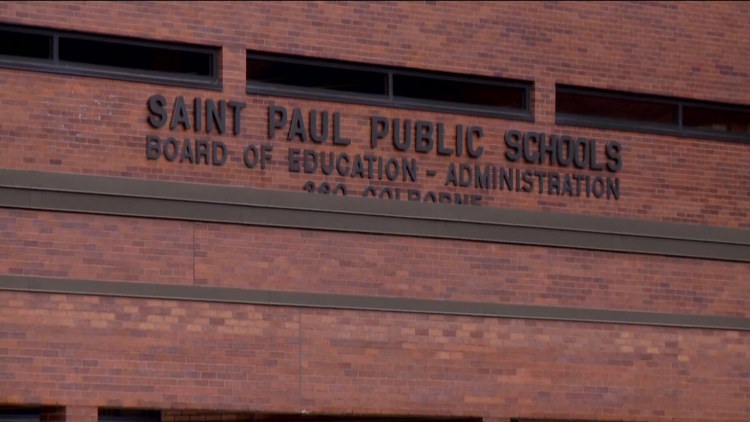
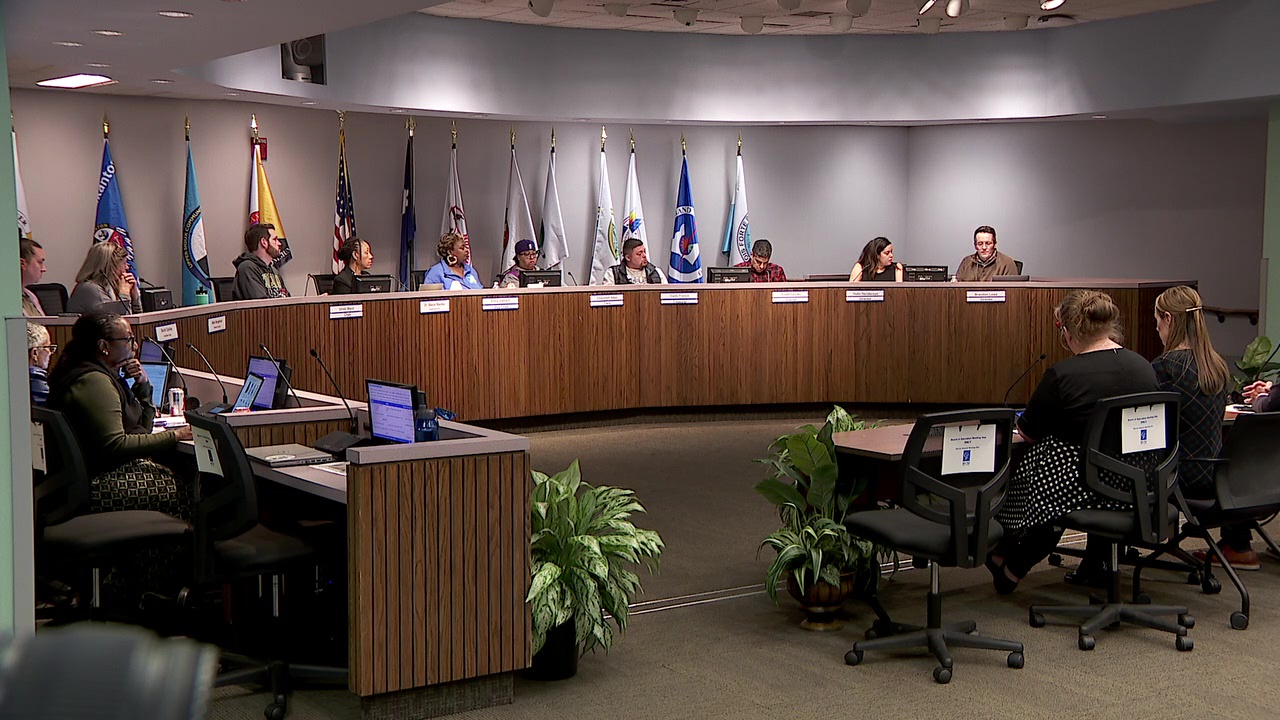
As the winter chill settled over St. Paul, the atmosphere inside the school board meeting was anything but cold. Parents, teachers, and students filled the room, their faces a mixture of concern and determination. The backdrop of their gathering was a recent proposal by the St. Paul Public School Board to lay off several English language teachers mid-year, a move that sparked protests and heated discussions among community members.
On a pivotal evening in early December, the St. Paul Public School Board convened to address a contentious proposal that had emerged in the wake of budgetary constraints. The plan to eliminate positions for English language teachers was met with immediate backlash from the community, who voiced their discontent over the potential disruption to students' education. The board ultimately voted to reject the proposal, opting instead for a different approach to manage the district's financial challenges.
The decision came after a series of protests organized by parents and educators, who argued that laying off teachers mid-year would not only harm the students who rely on their support but also undermine the stability of the educational environment. “Teachers are the backbone of our schools,” said Maria Gonzalez, a parent and active member of the protest. “We cannot allow our children’s futures to be jeopardized by budget cuts.”
The St. Paul Public Schools district has faced significant financial pressures in recent years, exacerbated by declining enrollment and rising operational costs. According to district officials, the need to balance the budget led to the consideration of layoffs as a potential solution. However, the community's outcry underscored the importance of maintaining a stable teaching staff, particularly for English language learners who often require additional support.
In a statement following the vote, Superintendent Joe Gothard emphasized the district's commitment to its students and families. “We understand the critical role that our teachers play in the lives of our students, especially those who are learning English as a second language,” he noted. “We are committed to finding solutions that do not compromise the quality of education.”
The decision to avoid mid-year layoffs was met with relief from many parents and educators. Community members expressed gratitude for the school board's responsiveness to their concerns. “This is a victory for our children and our community,” said John Smith, a teacher at a local elementary school. “We need to work together to ensure that our classrooms remain filled with dedicated educators.”
Local organizations, including the St. Paul Federation of Teachers, played a vital role in mobilizing support for the protests. The federation's president, Mary Hennessey, stated, “This decision reflects the power of community advocacy. It shows that when we stand together for our students, we can make a difference.”
The implications of the board's decision extend beyond the immediate relief felt by teachers and parents. For many students, particularly those from immigrant families, English language teachers provide essential support that can significantly influence their academic success. The presence of these educators fosters a sense of belonging and stability, which is crucial for students navigating the complexities of a new language and culture.
As schools continue to adapt to the challenges posed by the pandemic and shifting demographics, the need for dedicated English language instruction remains paramount. “Every student deserves the opportunity to succeed, and that starts with having qualified teachers who understand their unique needs,” said Gonzalez, echoing sentiments shared by many in the community.
The voices of those directly affected by the board's decision highlight the emotional weight of the situation. Ana, a senior at St. Paul Central High School, shared her perspective: “My English teacher has helped me so much. Without her, I wouldn’t have been able to express myself in class or make friends. This decision means I can keep learning without fear.”
Parents like Maria Gonzalez also emphasized the importance of stability in their children's education. “For many families, our children are the first generation to navigate the educational system here. Losing teachers mid-year would be a setback not just for our kids, but for our entire community,” she said.
Moving forward, the St. Paul Public School Board is tasked with finding sustainable solutions to its financial challenges without compromising the quality of education. The rejection of mid-year layoffs is just one step in a larger conversation about how to support both students and teachers amidst budget constraints.
Superintendent Gothard has indicated that the district will explore alternative funding sources and partnerships to bolster its resources. “We have to be creative in how we approach our budget,” he explained. “Our students’ success depends on our ability to invest in their education.”
The board is also looking to engage with community stakeholders to develop a comprehensive strategy that addresses both financial and educational needs. This includes potential collaborations with local businesses and nonprofits to create programs that support English language learners and their families.
For families seeking support and resources, the St. Paul Public Schools district offers various programs designed to assist English language learners. Parents can access information on tutoring, after-school programs, and community resources through the district's website. Additionally, local nonprofits such as the Hmong American Partnership and Lao American Organization provide valuable support for immigrant families navigating the education system.
As the community reflects on this recent decision, it is clear that the collective voice of parents, teachers, and students has the power to shape the future of education in St. Paul. The commitment to strong families and stable educational environments remains a shared value, one that will undoubtedly guide future discussions and decisions.
In the coming months, the St. Paul Public School Board plans to hold a series of community forums to discuss ongoing budget challenges and gather input from families and educators. These forums will provide a platform for stakeholders to voice their concerns, propose solutions, and collaborate on strategies that prioritize student success while addressing fiscal realities.
Moreover, the board is committed to transparency in its financial dealings, promising to share regular updates on budgetary decisions and their impacts on educational programs. This proactive approach aims to build trust within the community and ensure that all voices are heard in the decision-making process.
As the district navigates these challenges, the resilience and advocacy of the St. Paul community will play a crucial role in shaping the educational landscape for current and future generations.
By Marcus Chen
By Marcus Chen

By Marcus Chen

By Marcus Chen